


Proman
Trade & DPP
Verifiable product data and compliance infrastructure for global trade.
SurroundApps builds Provena Trust — the verifiable-trust platform for global trade. We also build infrastructure for supply chains, charitable giving, home healthcare, and the mobile devices people run their lives from.
Issuing EU DPP credentials in Bangladesh apparel for the 2027 regime. Running fertilizer fraud detection across Agro-Tec’s national agro-input network. Verifying field delivery for BRAC’s Ultra Poor Graduation programs. Blockchain chain-of-custody for BPCL recycled-plastic supply chains.
One platform. One data fabric. One engineering team. The same primitives — verifiable credentials, identity, audit fabric — adapted across industries where the cost of being wrong is too high to absorb.
Trade & DPP
Verifiable product data and compliance infrastructure for global trade.

NGO Field
Trusted data and accountability infrastructure for organizations creating impact.

Home Healthcare
Secure, connected infrastructure for more trusted and coordinated care.

Mobile Security
Intelligent protection for the devices, privacy, and people that matter.

Our industry trust platform. Running in apparel and footwear compliance, trade intelligence, and digital product passports. Bangladesh exporters, US importers and brands, and named deployments across recycled-plastic and agro-input supply chains.
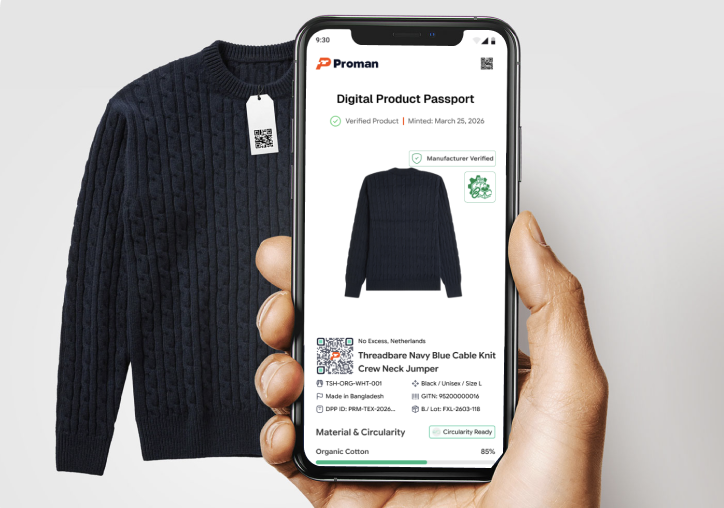
Running today in Bangladesh apparel for the EU’s 2027 Digital Product Passport regime, with BPCL for blockchain-verified recycled-plastic chain of custody, and with Agro-Tec for fertilizer fraud detection across a national agro-input network. Now expanding to footwear and regulated goods for US importers and brands under UFLPA and ESPR.
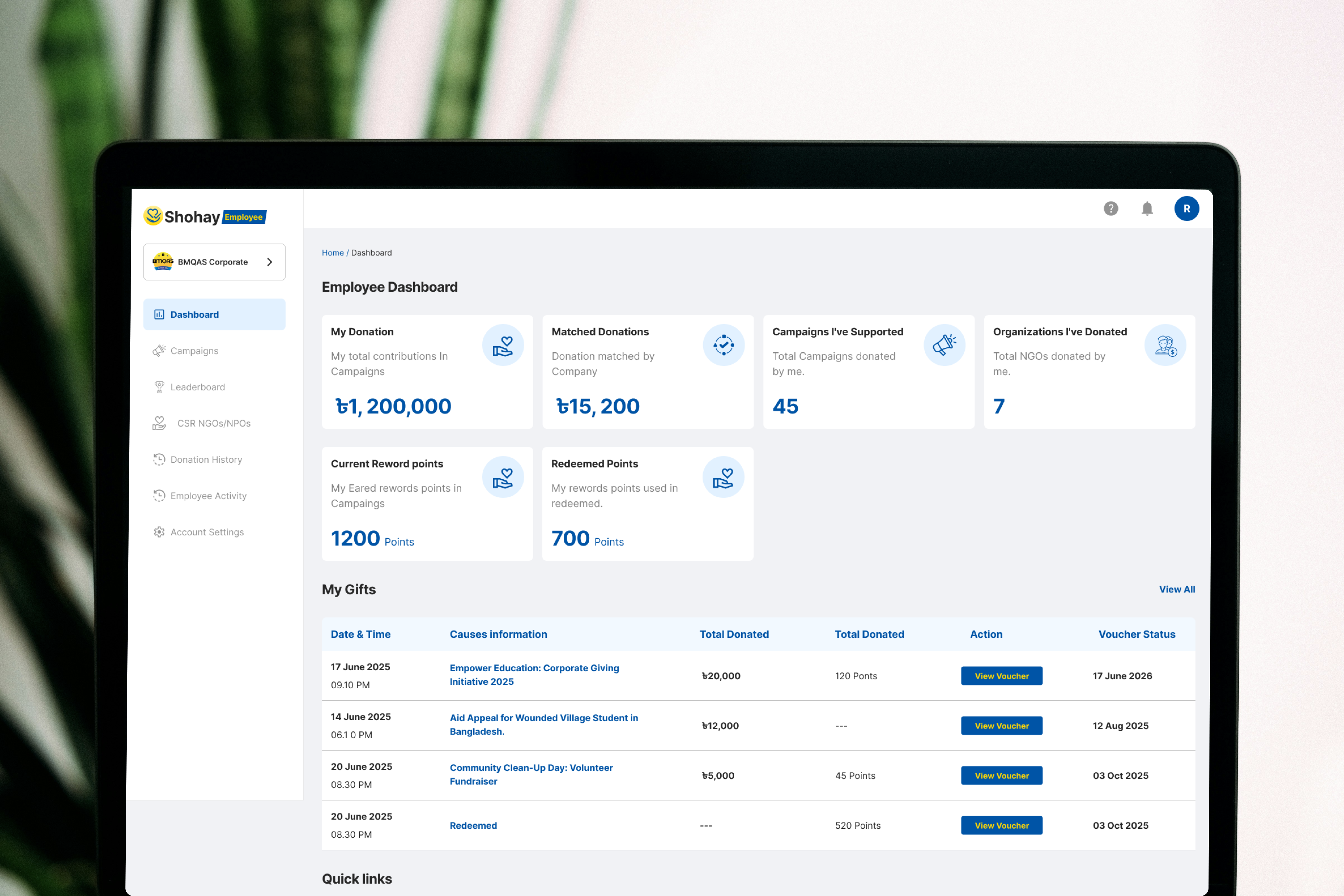
NGO Field Verification

Verified delivery and field-worker accountability. The foundation under BRAC’s Ultra Poor Graduation digitalization.
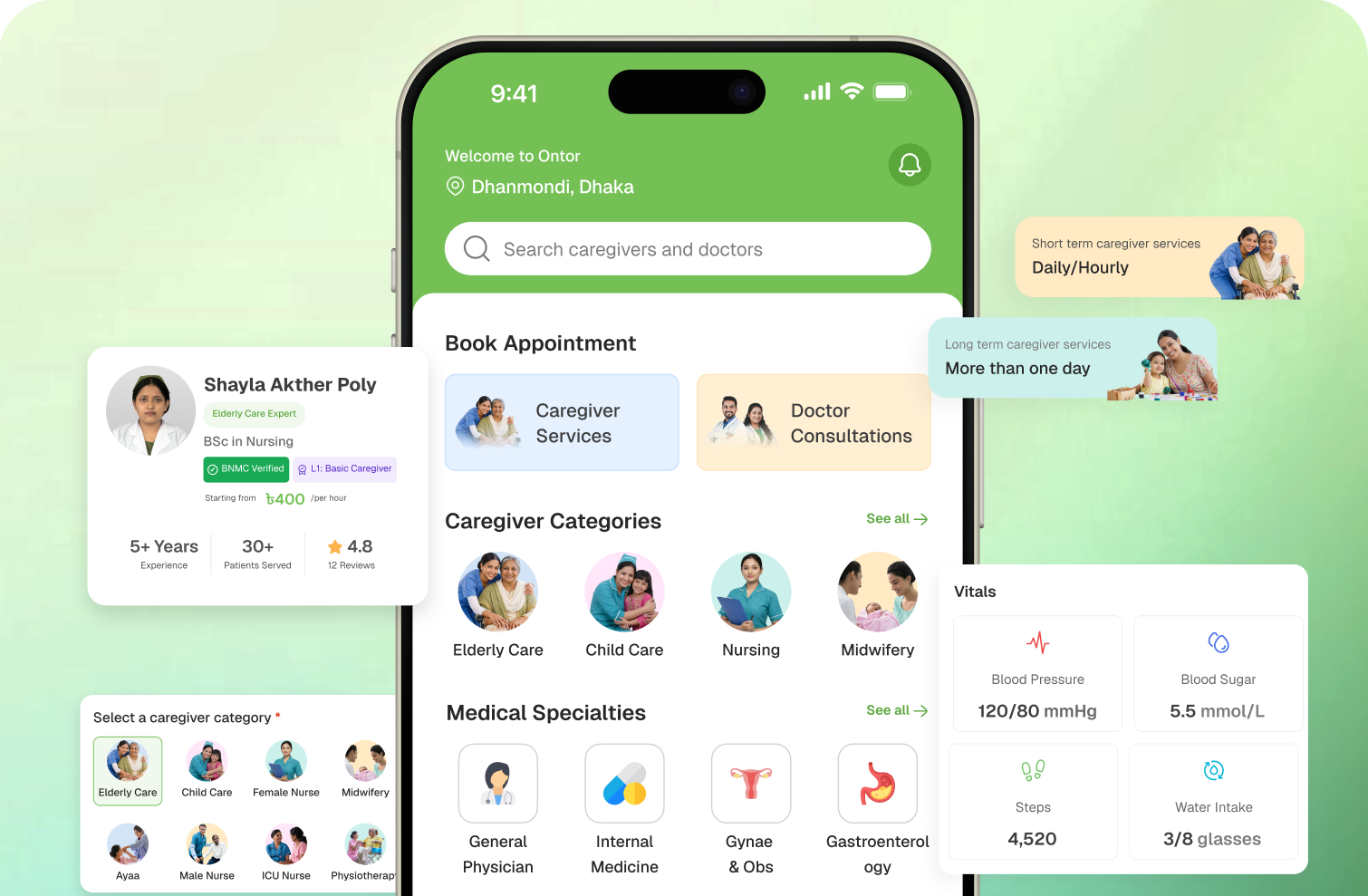
Home Healthcare

Verified home caregivers, midwives, and nurses for families in Bangladesh. Every shift gated by Face ID, NID identity verification, and a real-time GPS geofence around the patient’s residence.
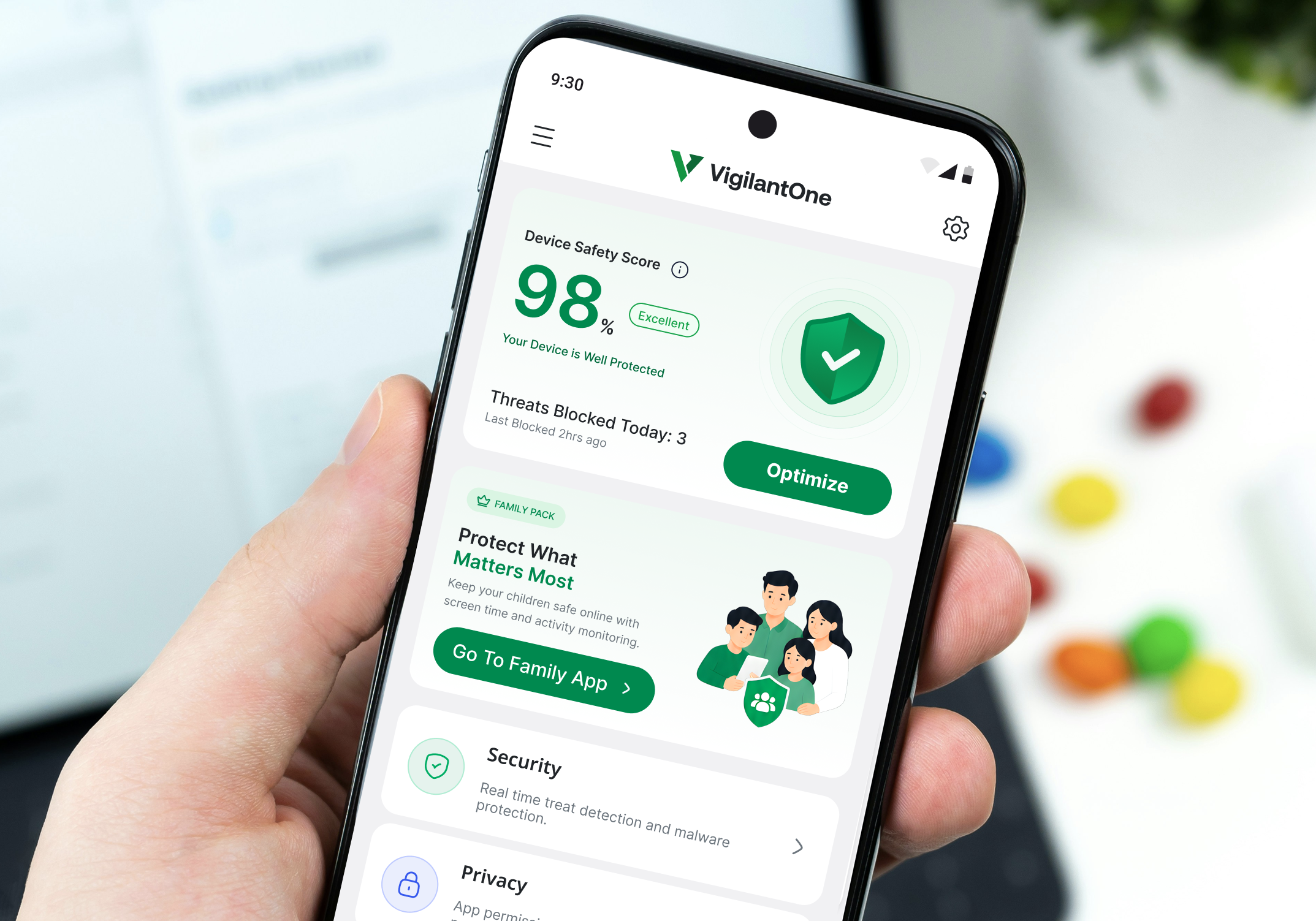
Mobile Security

All-in-one Android security — malware scanning, encrypted vault, family safety network — built in research collaboration with BUET. Free, ad-free, open source.
Provena Trust is built and operated by SurroundApps Inc. — a San Jose and Dhaka-based team with two decades of infrastructure for trust-critical systems.
Not principles in the abstract. The operating patterns we keep returning to because they are the difference between systems that hold and systems that fail in the field.
Every product ships under adversarial review before launch. We design as if the system will be attacked on day one, because the systems we build for — importer compliance, fertilizer authenticity, donor verification — are attacked on day one. Security is the first design constraint, not the audit at the end.
Designs that fail in the village, on shaky 3G, or in a real hospital ward are failed designs — even if they looked good on paper. We test in the conditions our users actually work in, before we test in conditions we designed for.
Our engineers know how an NGO field supervisor logs a household visit, how a hotel front desk processes a walk-in, how telecom signaling actually behaves under load. The platform is general; the people building it understand the verticals.
We stay with clients for years, inheriting the consequences of our own architectural decisions. The discipline of living with what you built is what keeps the next thing you build honest.
Talk to us about your verification problem.