
Garment passport
Trade & DPP
The same verifiable-trust substrate, adapted for industries where the cost of being wrong is too
high to absorb — supply chains, charitable giving, home healthcare, mobile privacy.
Credentials, identity, and audit are the layers underneath. What sits on top changes by industry — a garment passport, a verified household visit, a caregiver shift, a protected phone.
Trade & DPP

NGO Field

Home Healthcare

Mobile Security
verifiable claims, signed and timestamped
biometric, document, and presence
every claim defensible, every event replayable
The trust layer for products, supply chains, and the parties moving between them. Proman runs in apparel for the EU’s 2027 Digital Product Passport regime; Pahara and Darpan serve US importers, brands, and retailers under UFLPA and ESPR, now expanding to footwear and regulated goods. Two named deployments — Tract with BPCL for recycled-plastic chain of custody, Sondhan with Agro-Tec for fertilizer authentication — prove the platform extends across industries.



প্রমাণ · proof
EU DPP platform for apparel exporters
Buyer-ready Digital Product Passports and reusable proof records for apparel manufacturers. Turns scattered product, supplier, certificate, compliance, and traceability data into one verifiable record per SKU.

তরঙ্গ · the wave
Bilingual AI trade assistant on WhatsApp
HS classification, destination duty rates, FTA preference eligibility, and LDC-graduation scenarios — cited answers in twenty seconds, in Bangla or English, on the channel exporters already use.

সেতু · the bridge
Buyer-audit response engine
Maps Higg FEM, BSCI, SEDEX, WRAP, ZDHC, Inditex, and Walmart audit frameworks against a canonical factory record. Forty-five minutes to a defensible response instead of three weeks of compliance-manager time.

পাহারা · the watch
UFLPA risk for US importers
Continuous supplier screening, tier-2 and tier-3 inference, and audit-defensible CBP rebuttal dossiers in hours instead of weeks. Built on primary-source factory data through the Proman fabric, not third-party trade scrapes.

দর্পণ · the mirror
Brand and retailer compliance platform
One passport per SKU, composed across however many suppliers actually made it. Multi-supplier aggregation, ESPR-compliant publication, and real-time compliance orchestration in Bangla, Mandarin, and Spanish. Now covering apparel, footwear, and regulated goods.

Recycled-plastic chain of custody
Blockchain-verified traceability for BPCL’s recycled-plastic supply chains. Same platform, different industry — proves the trust substrate is not apparel-specific.

সন্ধান · the search
National fertilizer authentication
UID-level fertilizer authenticity and anomaly detection across Agro-Tec’s national agro-input network in Bangladesh. Trust infrastructure for a category where counterfeiting destroys yields and livelihoods.
For organizations whose donors and regulators need verifiable evidence that benefits, services, and goods actually reached intended recipients in the field — not in a quarterly report, but at the household, dispensary, or distribution point.
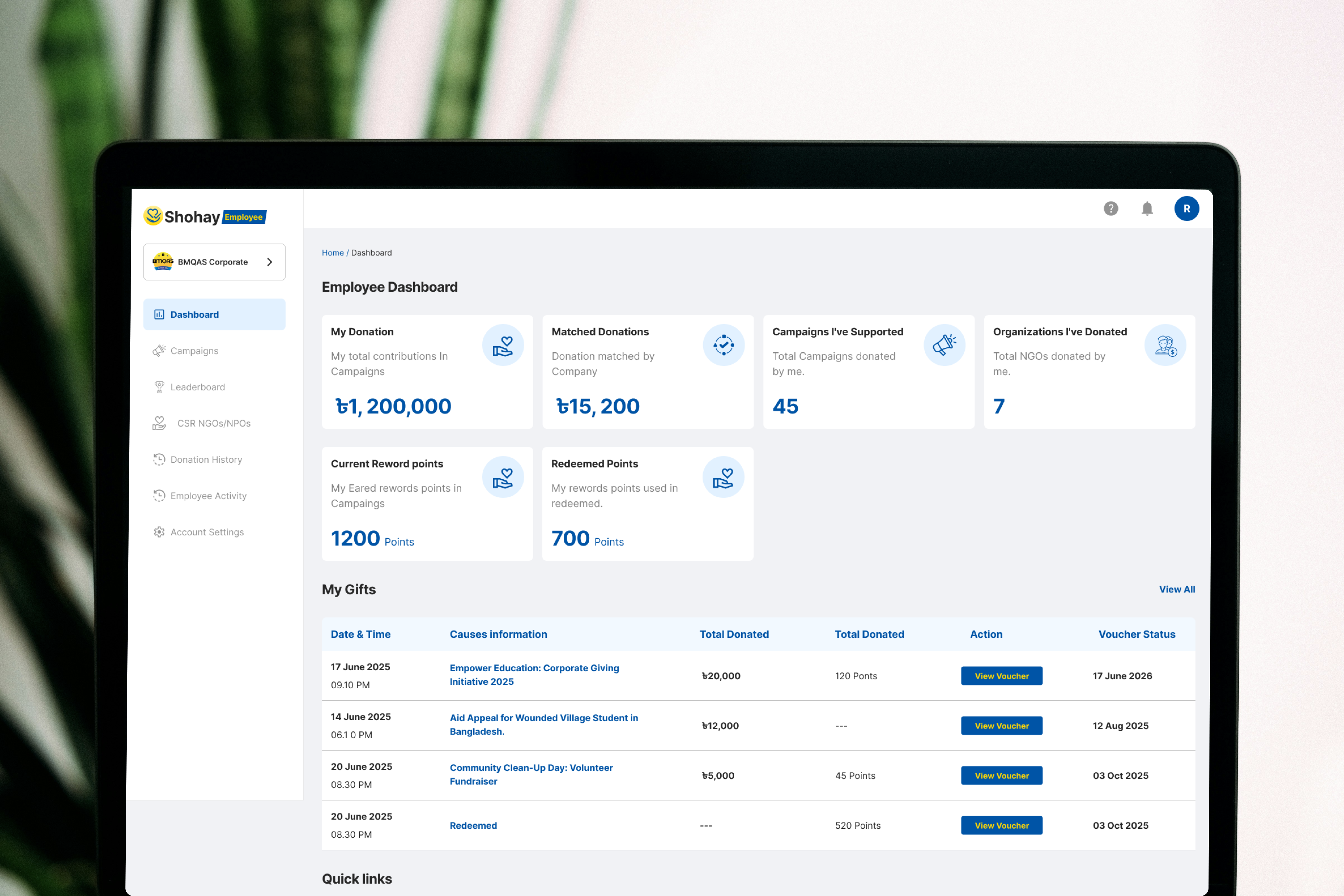

Verified delivery & field-worker accountability
Donor management, beneficiary records, program workflows, monitoring and evaluation, grants and CSR reporting, offline-first field operations — one practical system for NGOs and social-impact teams. The foundation under BRAC’s Ultra Poor Graduation program digitalization, which serves millions of households across Bangladesh.
Explore Shohay →Home-care workforce verification for families in Bangladesh and beyond. The trust problem is identity and presence: is this caregiver who they say they are, and are they actually with my parent right now? The platform answers both, every shift, before payment moves.
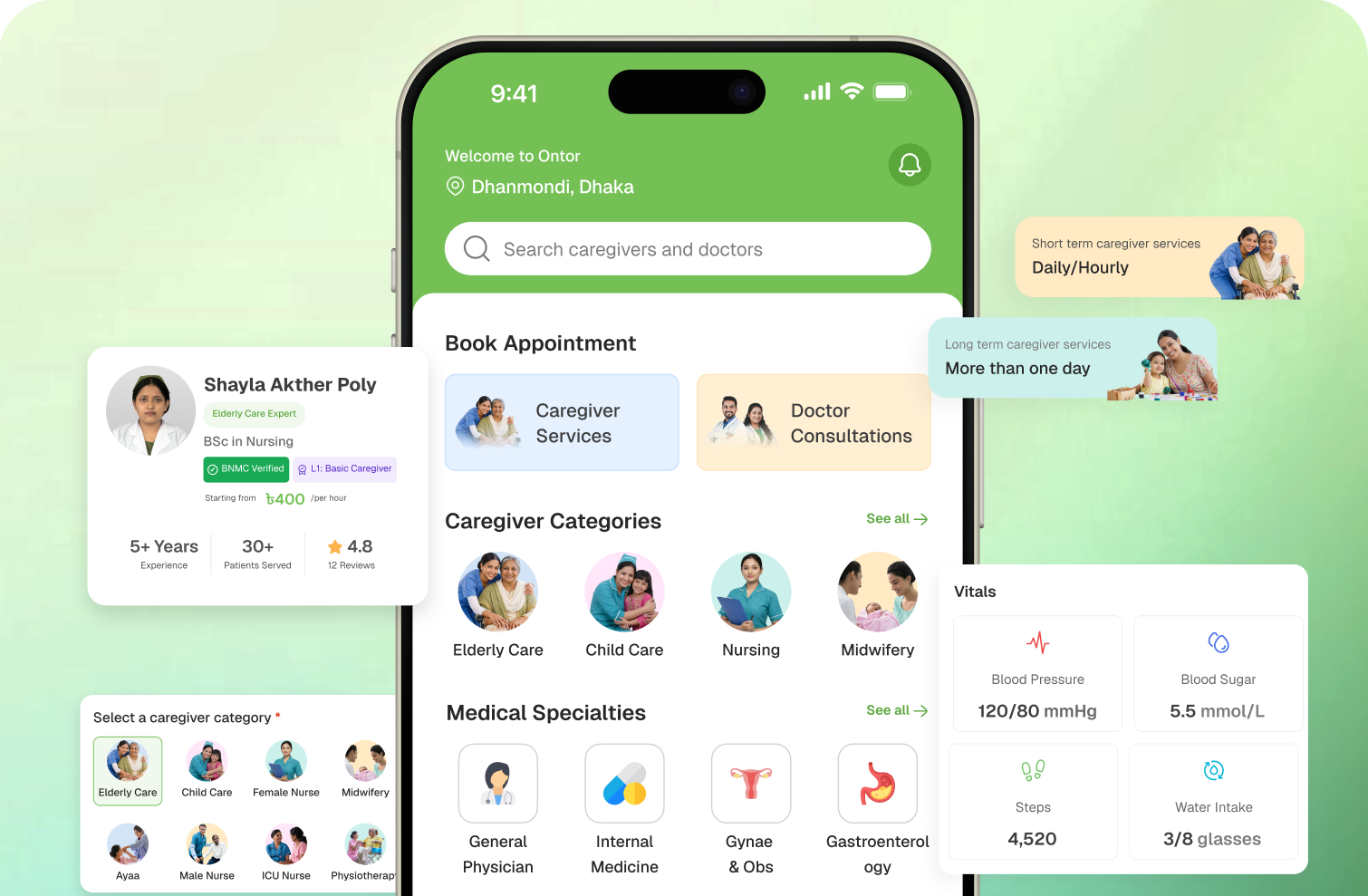

Verified home caregivers, midwives, and ICU nurses
A marketplace where families book certified care — basic caregivers, midwives, trained nurses, ICU nurses, physiotherapists — and the platform proves the right professional showed up at the right address. Every shift is gated by Face ID matched against NID verification and a real-time GPS geofence around the patient’s residence. Five service levels with a per-level clinical functionality matrix that defines exactly what each tier is authorized to do.
ontorcare.com →For the device most people in South Asia now run their entire life from — the Android phone — clear privacy and security controls that work without subscriptions, without ads, and without the complexity that puts security out of reach for the people who need it most.
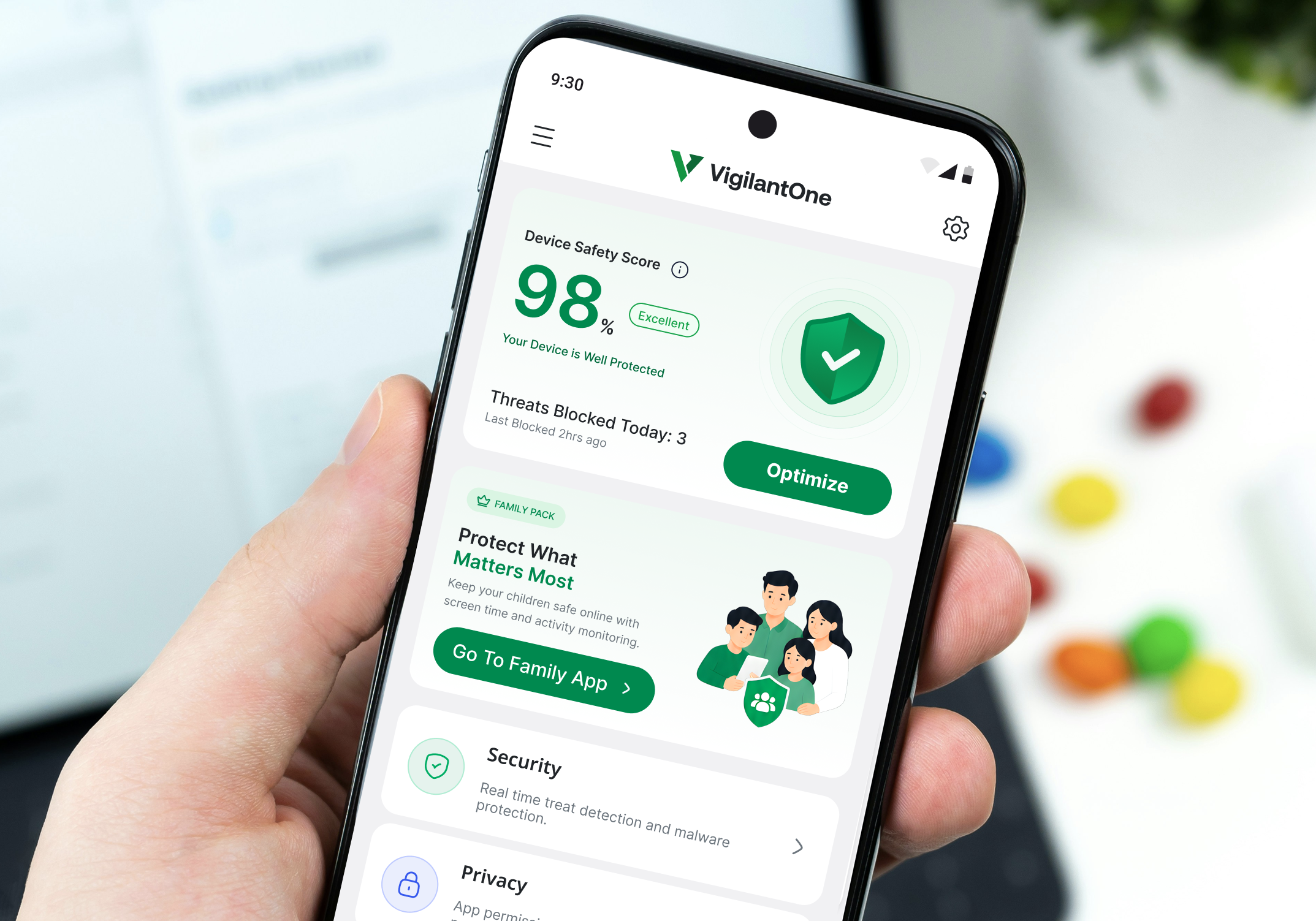

All-in-one mobile security, built with BUET
Built in research collaboration with Bangladesh University of Engineering and Technology (BUET). Combines real-time malware scanning, hidden vault with AES-256 encryption, app and network monitoring, password vault, family safety network, and emergency SOS alerts — in one Android app. Free, ad-free, open-source. The free tier is permanent, not a trial.
vigilantone.ai →Talk to us about your verification problem.


